
Methane from manure
Managing climate-impacting emissions biologically
Closing the carbon cycle in livestock systems
Methane associated with livestock manure is an integral part of the carbon biological cycle.
Its emission is linked to the microbiological dynamics that accompany the management of slurry, digestate, and the storage and agronomic use phases.
SOP addresses manure-derived methane as a process to be managed, within a systemic approach to the biological management of farms.
When the carbon cycle is managed coherently, emissions are reduced and the system becomes more efficient.
Closing the carbon cycle in livestock systems
Methane associated with livestock manure is an integral part of the carbon biological cycle.
Its emissions are linked to the microbiological dynamics that accompany the management of slurry, digestate, and the storage and agronomic use phases.
SOP treats manure-derived methane as a process to be managed, integrated within a systemic approach to the biological management of farms.
When the carbon cycle is managed coherently, emissions are reduced and the system becomes more efficient.
From slurry to digestate: continuity of the carbon cycle
The carbon cycle in manure includes:
-
the slurry production phase
-
any anaerobic digestion
-
digestate management
-
storage and field application
Each phase contributes to the overall emission balance.
Continuous biological management across these phases is the key to reducing residual methane emissions.
Methane as an expression of the biological process
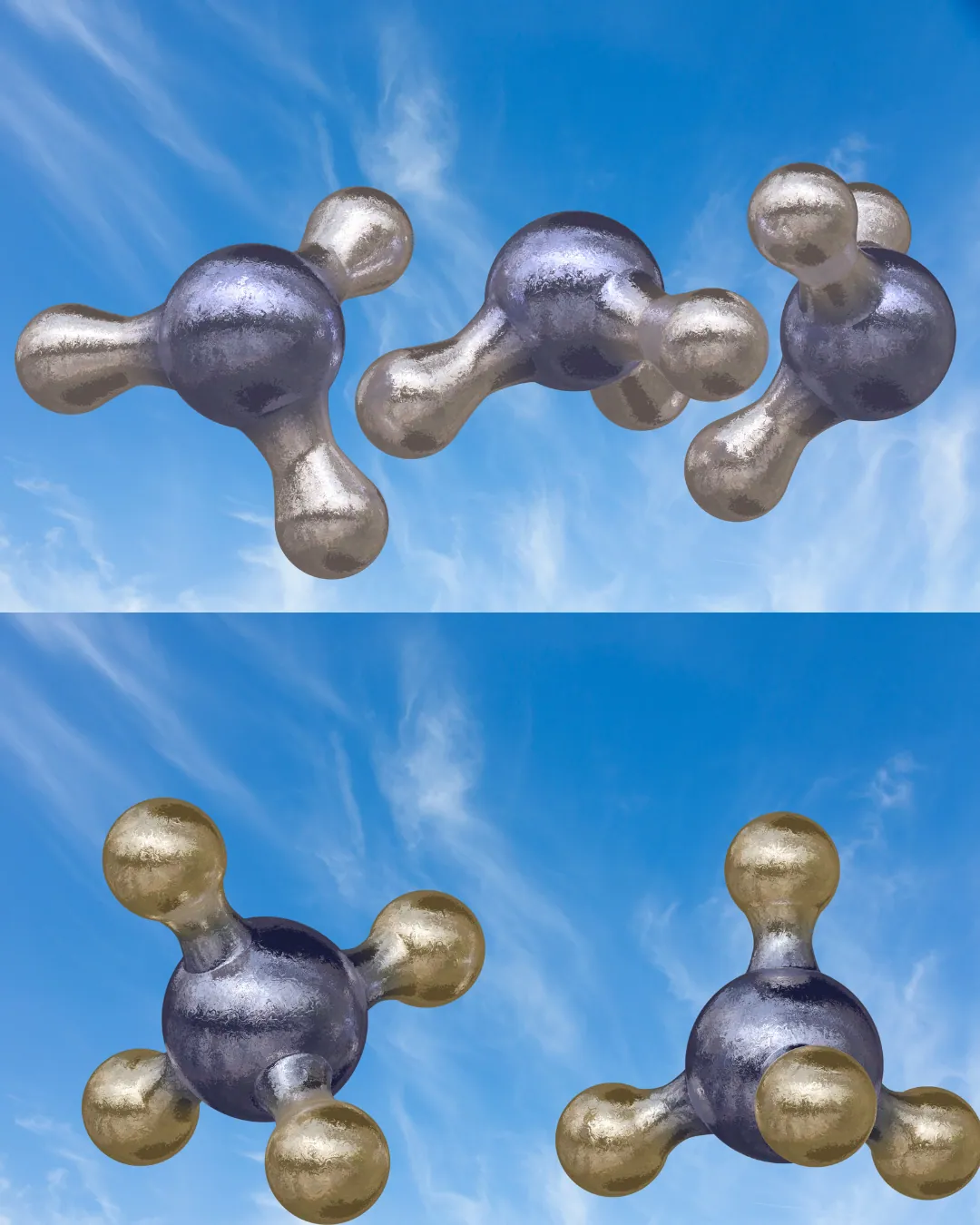
Methane develops in the presence of:
-
anaerobic fermentations
-
availability of organic carbon
-
specific microbiological conditions
In this sense, methane represents an indicator of the biological process performance, which can be guided toward greater stability.
Acting on methane means influencing the process conditions, not just the final emissions.
1
Biogas: energy valorization and open process
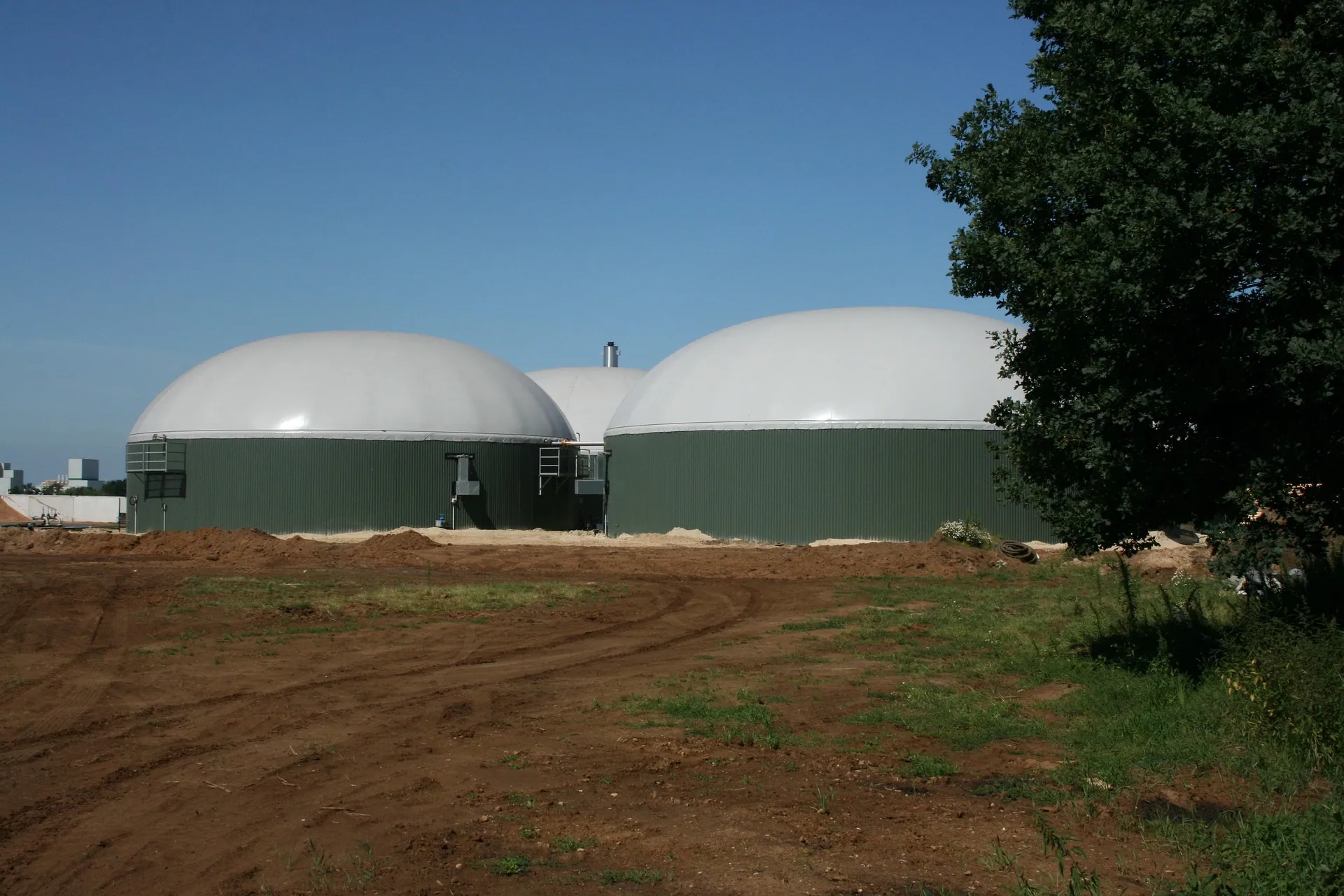
Anaerobic digestion allows part of the potential methane to be captured, producing renewable energy.
The biodigester represents an energy valorization phase within a broader system.
After the biodigester, the biological process continues through the storage and application phases of the digestate.
2
Post-biogas biological management and residual methane
In the post-biogas stage:
-
digestate microbiology remains active
-
residual carbon continues to interact with the environment
-
emission potential can arise if the process is not stable
SOP acts by promoting:
-
microbial balance
-
continuity of the biological process
-
greater manure stability
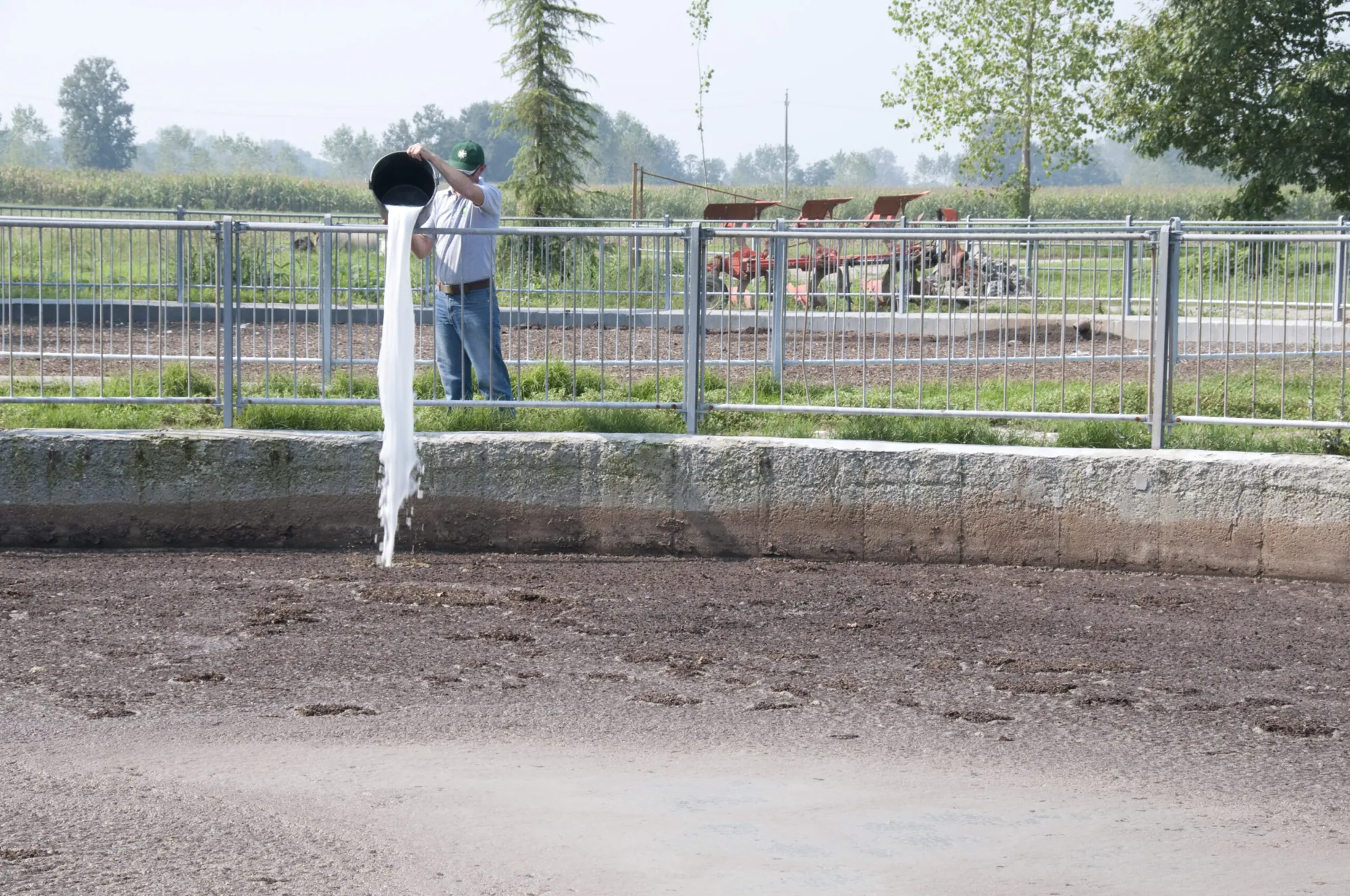
SOP LAGOON operates at this stage as a biological process lever, contributing to the progressive reduction of residual emissions.
Methane and ammonia: distinct cycles, integrated approach
The SOP approach to digestate management is based on:
-
understanding biological cycles
-
observing real-world processes
-
field trials under operational conditions
Available evidence supports a progressive and integrated management approach, capable of improving digestate quality and the overall sustainability of the system.
Climate, environmental, and institutional alignment
Biological management of manure-derived methane is aligned with:
-
climate mitigation strategies
-
emission reduction targets
-
ESG criteria in agri-food supply chains
-
environmental sustainability policies


Science and process management
The SOP approach is based on:
-
study of biological cycles
-
observation of microbiological dynamics
-
field trials under real operational conditions
Available evidence supports a progressive and systemic management of emissions, aimed at the continuous improvement of the process.
Frequent questions about Manure, Digestate, Emissions
What does biological manure management mean according to SOP?
Learn more: Slurry and ammonia
How does SOP contribute to reducing ammonia emissions in livestock farming?
Learn more: Slurry and ammonia
Does biogas completely solve the emission problem?
Learn more: Digestate and post-biogas
How does SOP contribute to emission reduction targets?
How does SOP contribute to reducing manure odors?
Learn more: Slurry and ammonia
